Doors That Keep Working Without Surprises
Garage Door Maintenance in Big Sandy for systems showing wear before they fail completely
DJ's Garage Door Service handles garage door maintenance in Big Sandy for both residential and commercial properties where regular use gradually degrades springs, cables, rollers, and opener components. Your door may still open and close today, but small imbalances and friction points compound over time until something breaks at the worst possible moment. Scheduled inspections catch worn parts before they snap, and lubrication reduces the metal-on-rolling-surface friction that causes premature failure in tracks and rollers.
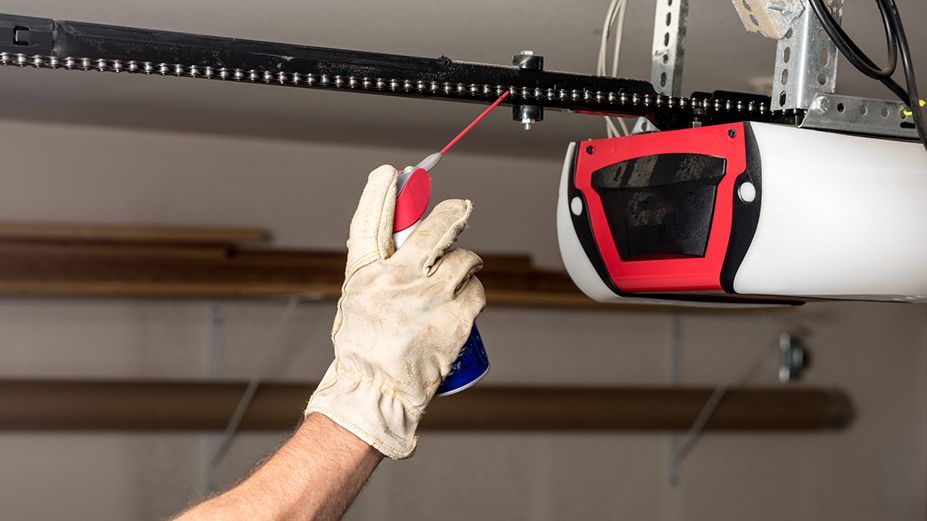
This maintenance involves inspecting springs for tension loss and surface rust, checking cables for fraying near attachment points, examining rollers for worn bearings or cracked wheels, verifying track alignment, and testing opener force settings to confirm they stop properly on obstruction. Moving parts receive appropriate lubricants that reduce friction without attracting dust, and door balance gets adjusted so the opener motor does not work harder than necessary.
Schedule a maintenance evaluation to identify components nearing the end of their service life.
What Proper Maintenance Actually Accomplishes
During a maintenance visit, the technician measures spring tension to determine how much lifting force remains compared to the door's weight, inspects cable drums for proper winding, checks roller bearings for play or grinding noise, and examines track brackets for loose bolts that allow misalignment. Springs lose tension gradually as metal fatigues, and cables develop small breaks in individual wire strands long before complete failure, so visual inspection combined with operational testing reveals which components need replacement before they leave your door stuck.
After maintenance, your door operates more quietly because friction points have been addressed, the opener motor draws less current because the door is properly balanced, and you avoid the inconvenience of a door that will not open when you need to leave for work or close when securing the property overnight. Components last longer when they move smoothly rather than grinding against misaligned surfaces or compensating for imbalanced weight distribution.
Maintenance programs typically run on six-month or twelve-month intervals depending on door usage frequency, with commercial doors in warehouse or retail environments often requiring more frequent service than residential doors cycled twice daily. High-cycle commercial doors benefit from quarterly inspections because spring fatigue and roller wear accumulate faster under constant use.
Questions Before Starting Your Maintenance Plan
Property owners in Big Sandy often ask similar questions about what maintenance involves and how it prevents larger problems down the road.
What does a maintenance inspection actually check?
The technician inspects springs for tension and surface condition, cables for fraying, rollers for bearing wear, tracks for alignment and debris, opener force settings for proper obstruction response, and all mounting hardware for tightness, then lubricates pivot points and rollers with products that will not attract dust buildup.
How does maintenance reduce unexpected breakdowns?
Worn springs and frayed cables show visible warning signs weeks or months before complete failure, so replacing them during scheduled maintenance prevents the door from becoming stuck open or closed when the component finally breaks, which typically happens during use rather than when the door sits idle.
When should commercial properties schedule maintenance?
Commercial doors cycling dozens of times daily accumulate wear faster than residential doors, so quarterly or semi-annual inspections catch component fatigue before it affects business operations or creates safety concerns for employees and customers.
What happens if maintenance reveals multiple worn components?
The technician provides a detailed list of parts showing wear with explanations of which need immediate replacement and which can wait until the next service interval, allowing you to prioritize repairs based on actual component condition rather than guessing when something might fail.
How long does a typical maintenance visit take?
Most residential door maintenance completes within thirty to forty-five minutes depending on door size and component condition, while commercial doors with multiple panels and heavy-duty hardware may require longer inspections to thoroughly check all moving parts and safety mechanisms.
DJ's Garage Door Service provides maintenance programs that keep both residential and commercial doors operating reliably between service intervals. Contact the business to set up a maintenance schedule based on your door's usage patterns and current condition.