Heavy-Duty Doors Built for Constant Cycles
Commercial Garage Doors in Big Sandy for warehouses, retail spaces, and industrial facilities with high daily traffic
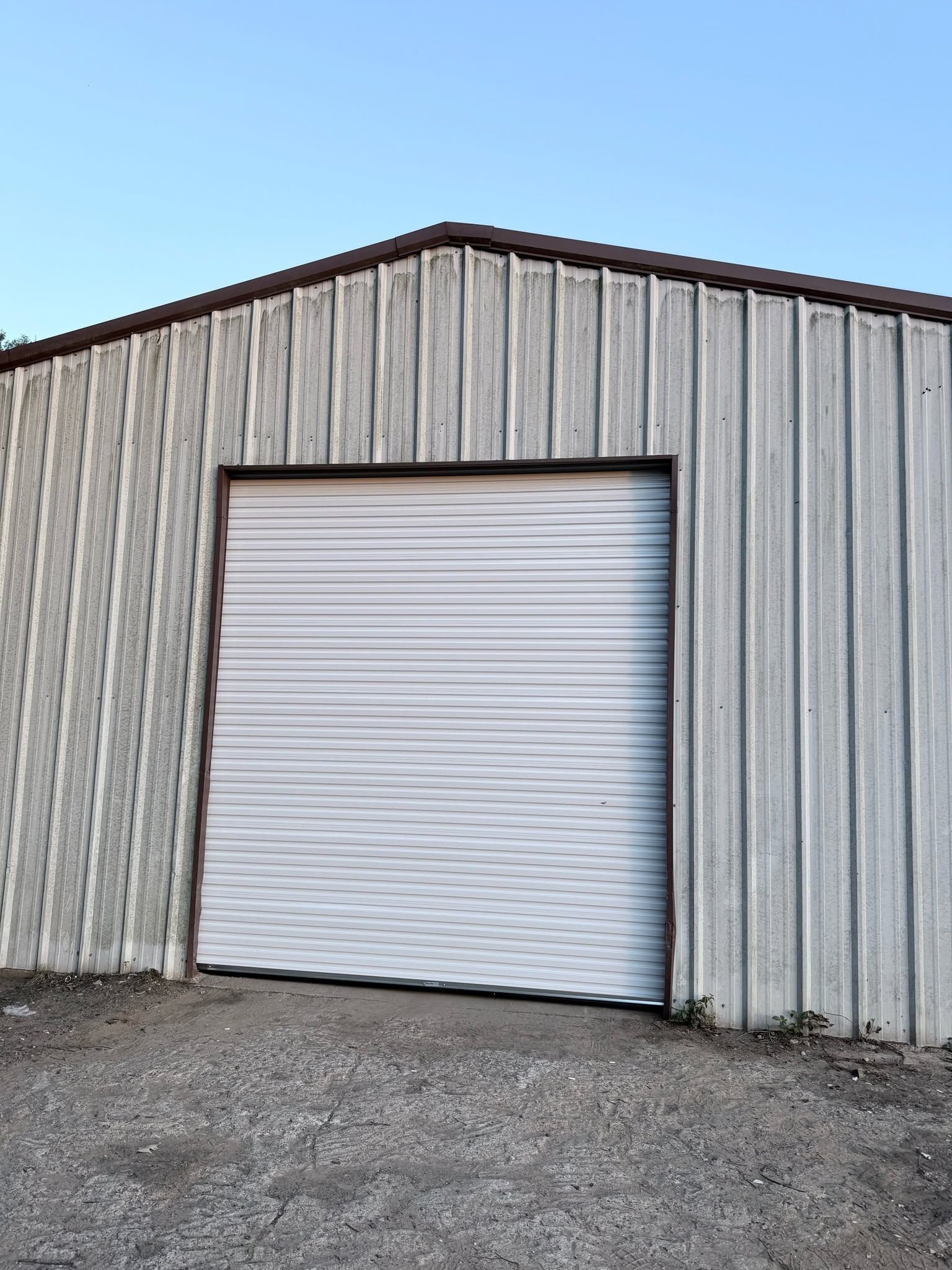
Commercial overhead doors cycle far more frequently than residential systems, which means standard components fail quickly under the repetitive stress of loading dock operations, retail bay access, or warehouse material handling. DJ's Garage Door Service installs and repairs commercial garage doors in Big Sandy designed with reinforced tracks, high-cycle springs rated for tens of thousands of operations, and industrial-grade openers that handle the weight and speed requirements of business environments. A door that opens twenty times per day in a residential setting might open two hundred times daily in a commercial facility, and that ten-fold increase in use demands components engineered for durability rather than occasional operation.
Installation involves mounting heavy-duty track systems that support door weight without flexing, installing torsion spring assemblies matched to specific door weight and height, and configuring commercial openers with adjustable force and speed settings appropriate for the facility's workflow. Repairs address worn rollers, cable failures, spring replacements, and opener malfunctions that interrupt business operations.
Request an on-site assessment to evaluate door specifications for your facility's operational demands.
Why Commercial Systems Require Different Components
Commercial doors use torsion springs with cycle ratings that reflect expected usage, track systems thick enough to resist deflection under repeated door movement, and openers with motors sized for the door's weight rather than relying on spring counterbalance alone. DJ's Garage Door Service matches components to actual usage patterns because a door in a retail tire shop experiences different stress than a door in a warehouse loading dock, and using residential-grade hardware in commercial applications leads to premature failure and unplanned downtime.
After installation or repair, your commercial door opens and closes at consistent speed without hesitation or jerking motion, the opener responds reliably to wall controls and remote signals, and the system operates quietly enough that it does not disrupt customer interactions or warehouse communication. Proper component selection means the door continues functioning through years of daily cycles rather than requiring frequent repair visits that interrupt business operations.
Maintenance plans for commercial doors include scheduled inspections that catch wear before component failure, which matters more in business settings where a stuck door affects revenue, employee productivity, or customer access. Service intervals depend on cycle count rather than calendar time, so high-traffic facilities benefit from quarterly checks while lower-use commercial spaces may only need semi-annual service.
Answers to Frequent Service Questions
Business owners often want to understand what separates commercial door service from residential work and how to
plan for installation or repairs.
What makes commercial openers different from residential models?
Commercial openers use larger motors designed for continuous-duty operation rather than intermittent residential use, include adjustable force and speed controls to match door weight and workflow needs, and incorporate safety features required for employee and customer protection in commercial environments.
How does door size affect installation requirements?
Larger doors require additional track supports to prevent sagging, multiple torsion springs to distribute lifting force evenly, and reinforced mounting brackets that transfer door weight to building structure rather than relying on thin sheet metal attachment points that bend under stress.
What type of doors work best for loading docks in East Texas?
Insulated steel doors with weather seals reduce climate control costs when docks open frequently to outside conditions, while sectional construction allows the door to open vertically without requiring clearance space in front of the dock area where trucks position for loading.
How quickly can a broken commercial door be repaired?
Response time depends on parts availability and technician schedule, but common failures like broken springs, snapped cables, or opener motor issues typically get resolved the same day because these components stock regularly for commercial applications rather than requiring special orders.
What should facility managers look for during door operation?
Listen for grinding or scraping sounds that indicate misaligned tracks or worn rollers, watch for hesitation or jerking motion during opening or closing cycles, and test the door's response to obstruction by placing an object in the path to confirm proper reversal, which prevents equipment damage and injury.
DJ's Garage Door Service works with businesses throughout Big Sandy to install doors matched to facility requirements and maintain systems that support daily operations. Schedule a consultation to discuss door specifications and service plans that minimize downtime.